

There is a growing body of evidence that the natural world has a measurable effect on how human beings think, feel, and function. Contact with natural materials, forms, colours, and living elements reduces stress, improves concentration, supports emotional regulation, and creates a sense of wellbeing that synthetic environments struggle to replicate. None of this is surprising, really — human beings evolved in natural environments, and the idea that the built spaces we now spend the vast majority of our time in might benefit from reconnecting with that heritage is both scientifically sound and intuitively compelling.
In schools, the implications are significant. Students spend the majority of their waking hours in built environments — classrooms, libraries, corridors, dining halls — and the quality of those environments has a direct bearing on how they learn, how they feel, and how they develop. Biophilic design is the framework for bringing the benefits of nature into those environments, and school furniture is one of the most accessible and impactful tools available for doing so.
At Agilita, we supply biophilic school furniture to schools and educational institutions across the UK as part of considered learning environment specifications. Here's why it matters, and what it looks like in practice.
What Biophilic Design Actually Means — and What It Doesn't
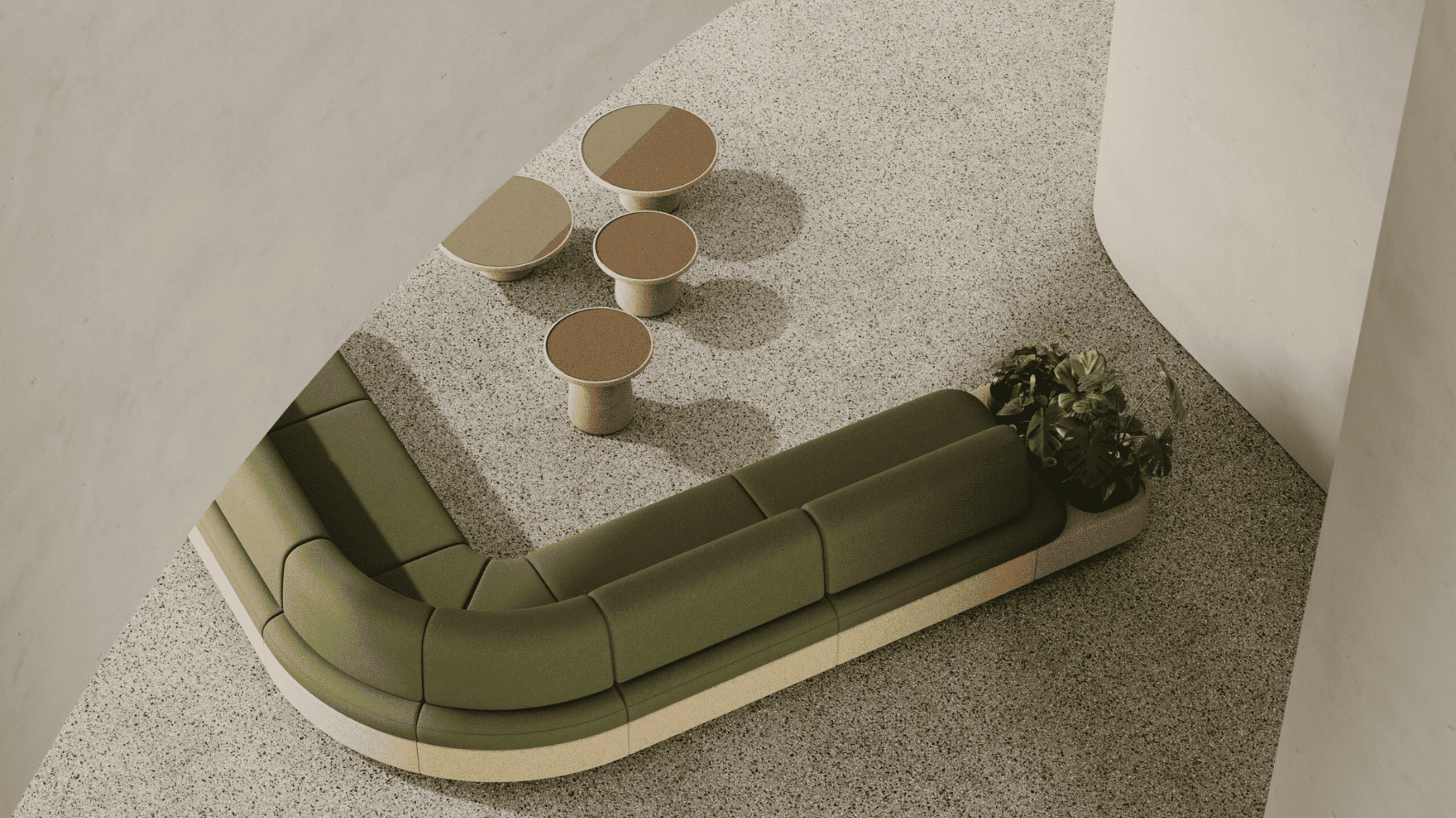
Biophilic design is sometimes misunderstood as a simple instruction to add houseplants to a room. In reality, it is a much broader design philosophy — the deliberate incorporation of natural elements, materials, forms, patterns, and sensory qualities into built environments, based on the understanding that human beings have an innate need for connection with the natural world.
In an architectural sense, biophilic design encompasses daylighting strategies, views of nature, natural ventilation, and the use of water features and living walls. These are largely outside the scope of school furniture, and they're not what Agilita focuses on. What furniture can do — and does very effectively — is address the material and tactile dimensions of biophilic design: natural materials, organic forms, earthy colour palettes, and the textural richness that natural surfaces provide.
These are not minor contributions. The surfaces students touch, the materials they sit in contact with for hours every day, the colours and forms that fill their peripheral vision as they work — all of these things shape the sensory quality of the learning environment in ways that have a real and documented effect on wellbeing and cognitive performance. Getting the furniture right is one of the most direct and accessible ways a school can move its learning environment in a more biophilic direction.
Biophilic School Furniture in Practice: What It Looks Like
The move toward biophilic school furniture is not about wholesale aesthetic transformation. It's about making considered material and design choices that bring natural qualities into the classroom — choices that can be introduced gradually and within realistic school budgets. Here's what those choices look like across different furniture categories.
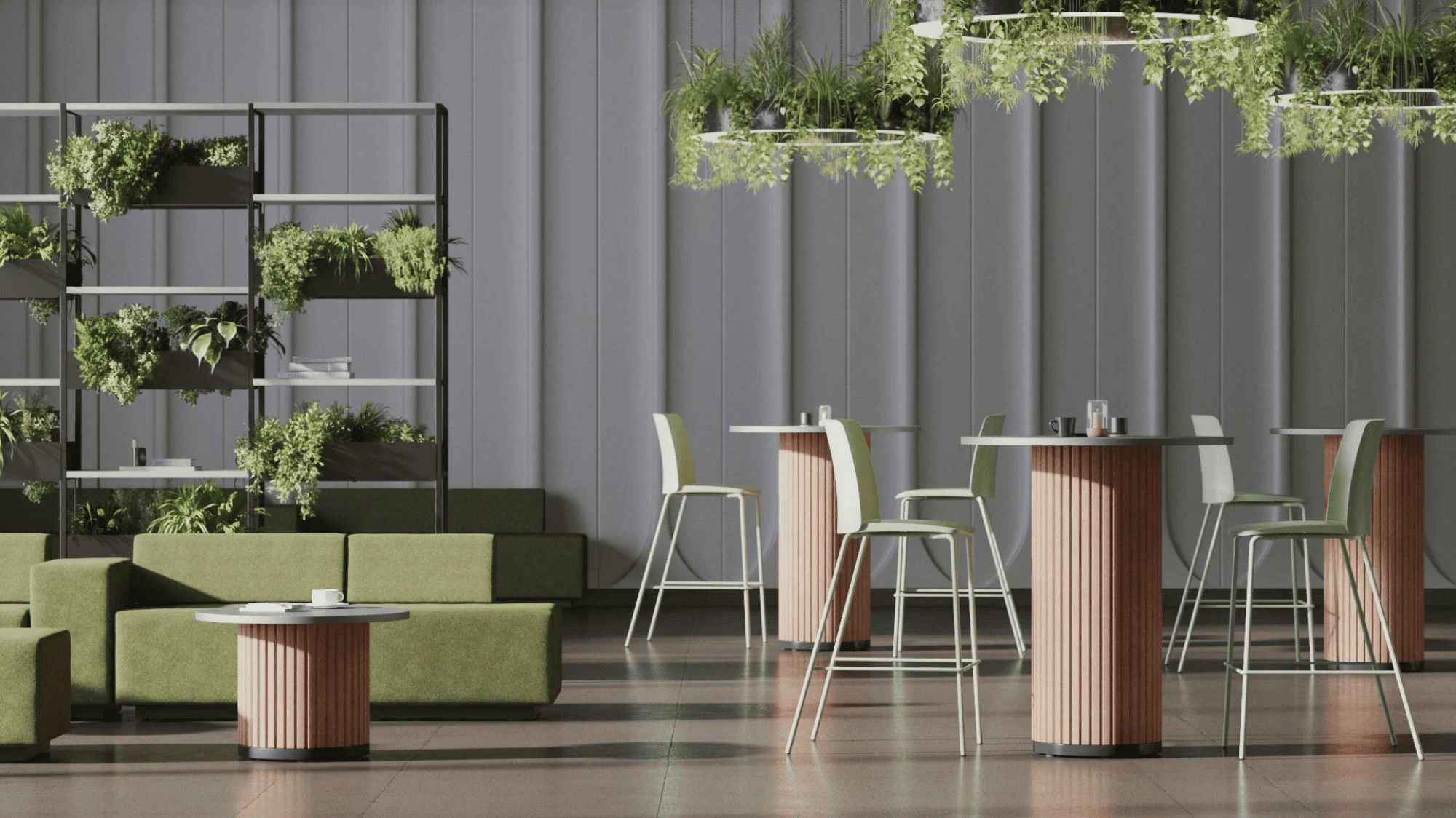
Classroom tables and desks with natural surfaces. The standard melamine classroom table surface is functional and durable, but its synthetic character contributes to the clinical aesthetic that biophilic design works against. Oak, beech, and birch veneer or solid timber tops bring warmth, visual interest, and the tactile quality of natural wood into the classroom. For schools where the maintenance demands of real timber are a concern, high-quality wood-effect laminates that replicate the visual and surface quality of natural timber are a practical middle ground — particularly when paired with genuine timber edging or frame elements that provide real material contact.
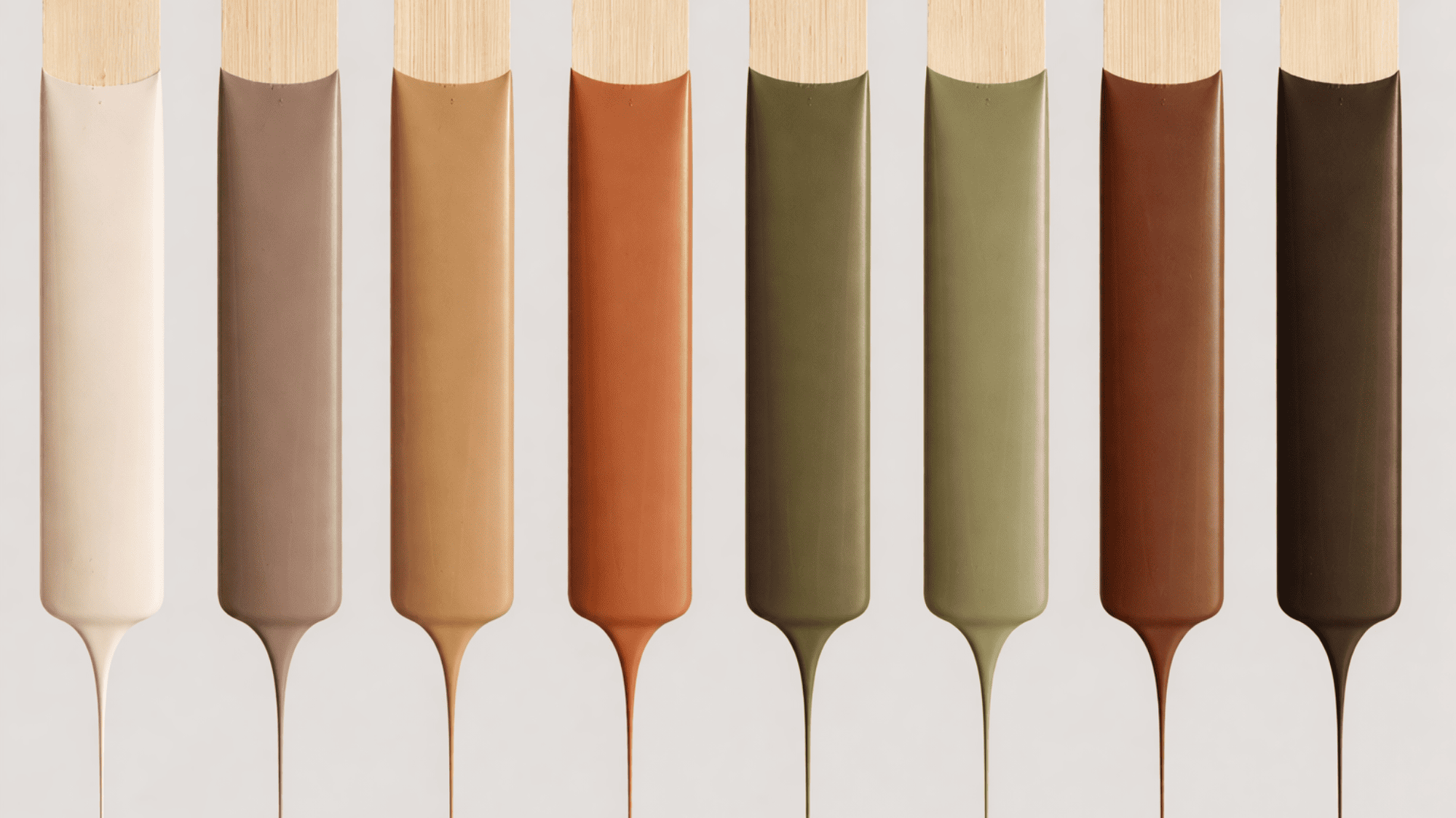
Classroom chairs and soft seating in natural tones and textures. Chair shell colours in earthy, nature-inspired tones — sage green, warm terracotta, ochre, warm sand, forest teal — move the classroom palette away from the primary colours that have dominated educational furniture for decades and toward the more settled, calming aesthetic that biophilic design supports. For upholstered classroom soft seating and ottomans, fabrics with a natural fibre appearance — wool-effect textiles, textured weaves, linen-look contract fabrics — add tactile warmth that standard polyester upholstery doesn't provide.
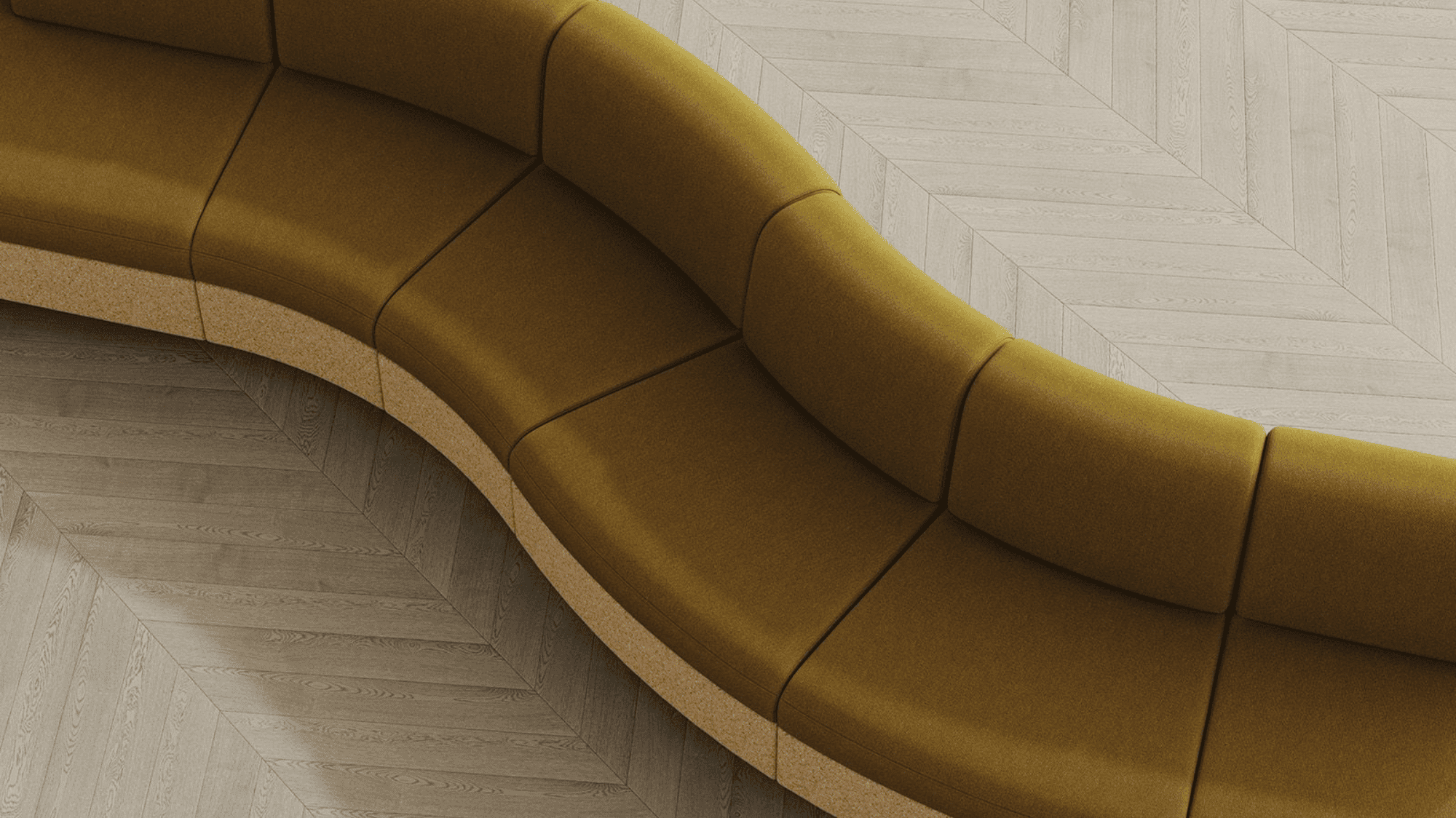
Library and reading furniture with organic forms. Library furniture is one of the most natural contexts for biophilic design in schools. Reading spaces benefit enormously from the warmth of natural materials and the visual softness of organic, curved forms. Soft seating with rounded profiles, reading chairs in upholstery that references natural textures, shelving units in timber finishes that create a warm backdrop to the reading environment — all of these furniture choices contribute to a library that feels genuinely inviting and restorative rather than functional and institutional.
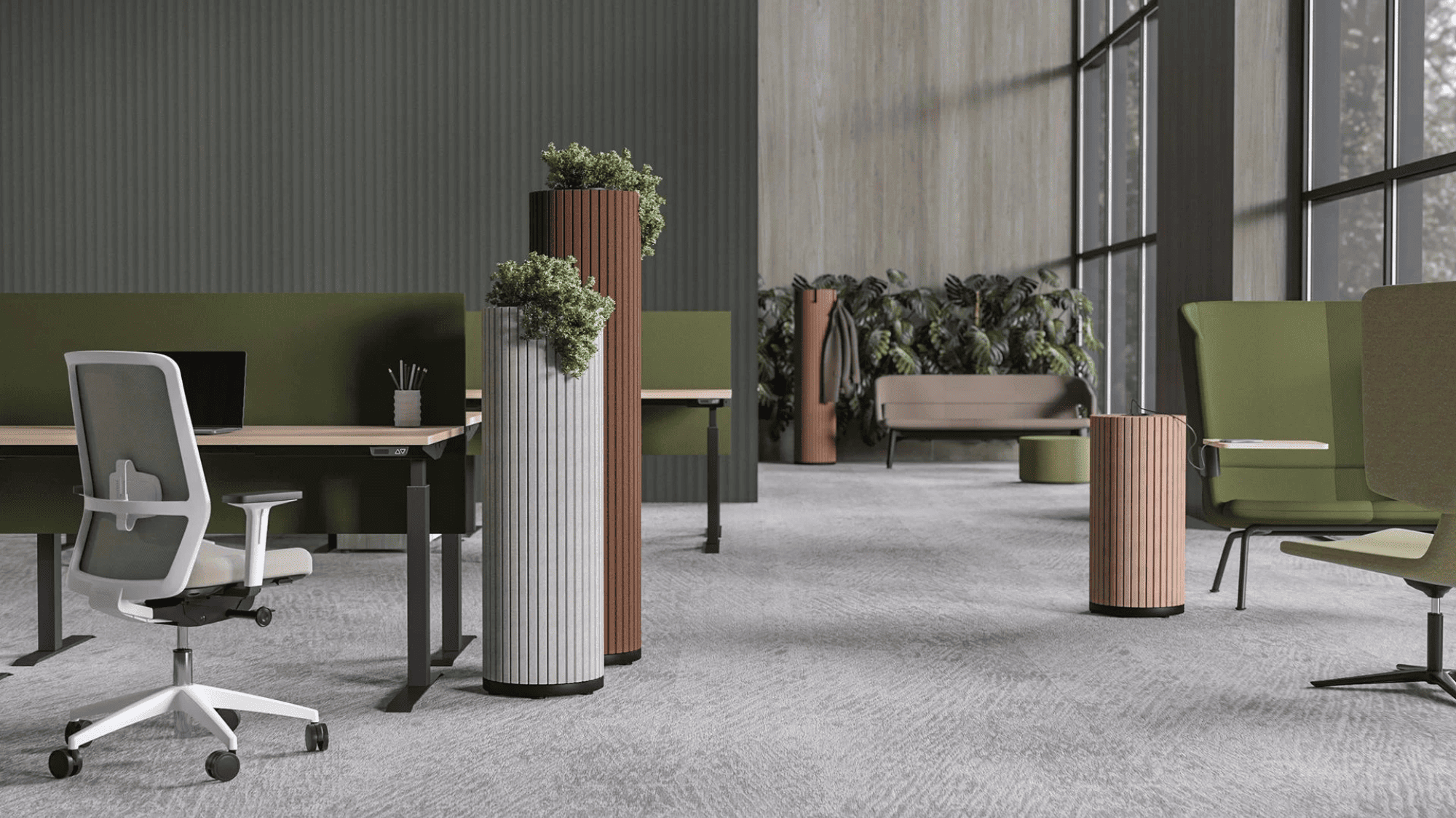
Breakout and social furniture with living element integration. An increasingly popular category in school furniture specification is furniture that incorporates living or preserved planting — table units with integrated planters, seating clusters with moss panel backs, freestanding screens that combine acoustic panel performance with preserved botanicals. These products bring actual natural elements into the learning environment through the furniture itself, creating focal points that are both visually striking and measurably beneficial to the wellbeing of students who spend time in them. At Agilita, we supply furniture with integrated planting elements as part of biophilic school environment specifications, and the response from staff and students alike is consistently positive.
Acoustic panels and screens in natural materials. Acoustic performance is a genuine requirement in most school environments, and acoustic furniture products — screens, panels, and room dividers — are increasingly available in natural material finishes and with moss or botanical integration. A freestanding acoustic screen covered in preserved moss delivers both the sound absorption performance of a functional acoustic product and the biophilic quality of bringing a natural element into the classroom. It is one of the most efficient double-purpose furniture specifications available.
Biophilic Furniture for Different School Spaces
Biophilic school furniture works across the full range of spaces within a school, and the specific choices vary by environment.
In early years and primary classrooms, natural timber furniture surfaces, earth-tone chair shells, and soft seating in natural-palette fabrics create a warm, stimulating environment that supports the sensory development of young children as well as their academic learning. The tactile richness of natural materials is particularly valuable for young learners, for whom physical interaction with their environment is a primary mode of engagement.
In secondary classrooms and teaching spaces, the transition from primary-style furniture to more sophisticated, considered aesthetics can be supported by biophilic choices — natural surface finishes on desks, muted earthy tones in seating, and the introduction of planting elements in corners and windowsills as part of the wider furniture arrangement. The effect is a learning environment that feels more grown-up and purposeful, while retaining the natural warmth that supports student wellbeing.
In libraries and study spaces, biophilic furniture choices are perhaps the most transformative. A library that combines timber shelving, soft seating in natural-palette upholstery, reading chairs in textured fabrics, and the occasional planting element creates a space that students genuinely want to spend time in — which is the precondition for all the academic benefit that good library provision can provide.
In dining halls and social spaces, biophilic furniture choices contribute to the atmosphere of the space in ways that affect how students experience mealtimes and social time. Natural timber dining tables, seating in earthy, warm tones, and the integration of planting elements into social areas create environments that feel less institutional and more genuinely hospitable — which matters for the quality of student social life and, through it, for wellbeing and sense of belonging.
In SEND and inclusion spaces, biophilic furniture is among the most impactful specification choices available. The calming effect of natural materials, the sensory richness of textured fabrics and timber surfaces, and the lower stimulation of earthy colour palettes all contribute to environments that are more accessible and more supportive for students with sensory or emotional regulation needs.
Specifying Biophilic School Furniture: Practical Considerations
Introducing biophilic school furniture doesn't require a whole-school refurbishment or a dramatically increased budget. Some of the most effective biophilic choices are incremental — replacing a batch of chairs at the end of their lifecycle with equivalents in natural palette colours, specifying timber-finish surfaces on the next table replacement cycle, adding a planter unit or moss screen to a library or social space as a standalone addition.
The considerations that matter most in specifying biophilic furniture for schools are the same ones that govern any school furniture specification — durability, safety certification, ease of maintenance, and appropriate sizing for the age group. Natural timber surfaces need to be sealed or finished to a standard that withstands the cleaning regime of a school environment. Natural-palette upholstery fabrics need to meet the same Martindale rub count and fire retardancy requirements as any other contract upholstery. Furniture with integrated planting needs to be specified with maintenance requirements in mind — preserved botanicals require no watering and are often the more practical choice for busy school environments.
At Agilita, we work with schools to introduce biophilic furniture choices within existing budget frameworks and across realistic replacement timescales. The goal is a specification that moves the school's learning environment progressively in a direction that benefits its students, without requiring a step-change investment that isn't available.
The Agilita Approach to Biophilic School Furniture
Biophilic design in schools is not a trend that will pass. The evidence for its benefits is strong and growing, the demand from school leaders and parents who understand the connection between environment and wellbeing is increasing, and the range of school furniture available to deliver it is broader and more accessible than it has ever been.
At Agilita, we supply biophilic school furniture across early years, primary, secondary, and further education settings — from natural timber classroom tables and earthy-palette seating to moss panel screens, integrated planter units, and organic-form library furniture. We help schools understand where biophilic furniture choices will have the greatest impact in their specific environments, and how to introduce them in a way that is practical, sustainable, and grounded in the genuine needs of their students.
Because the best school environments aren't just functional. They're places that feel good to be in — and furniture that draws on the natural world is one of the most powerful tools available for creating them.
Interested in introducing biophilic school furniture into your classrooms, library, or social spaces? The Agilita team works with schools across the UK on furniture specifications that support learning and wellbeing. Get in touch today and let's talk about what the right furniture could do for your students.