

You've probably seen the word 'biophilic' appearing in school design conversations and wondered whether it's substance or style. The short answer: it's both, and the evidence behind it is stronger than most people expect. By the end of this article you'll know what biophilic furniture actually means in a school context, which spaces benefit most, what the research says, and how to introduce it without a whole-school refurb budget.
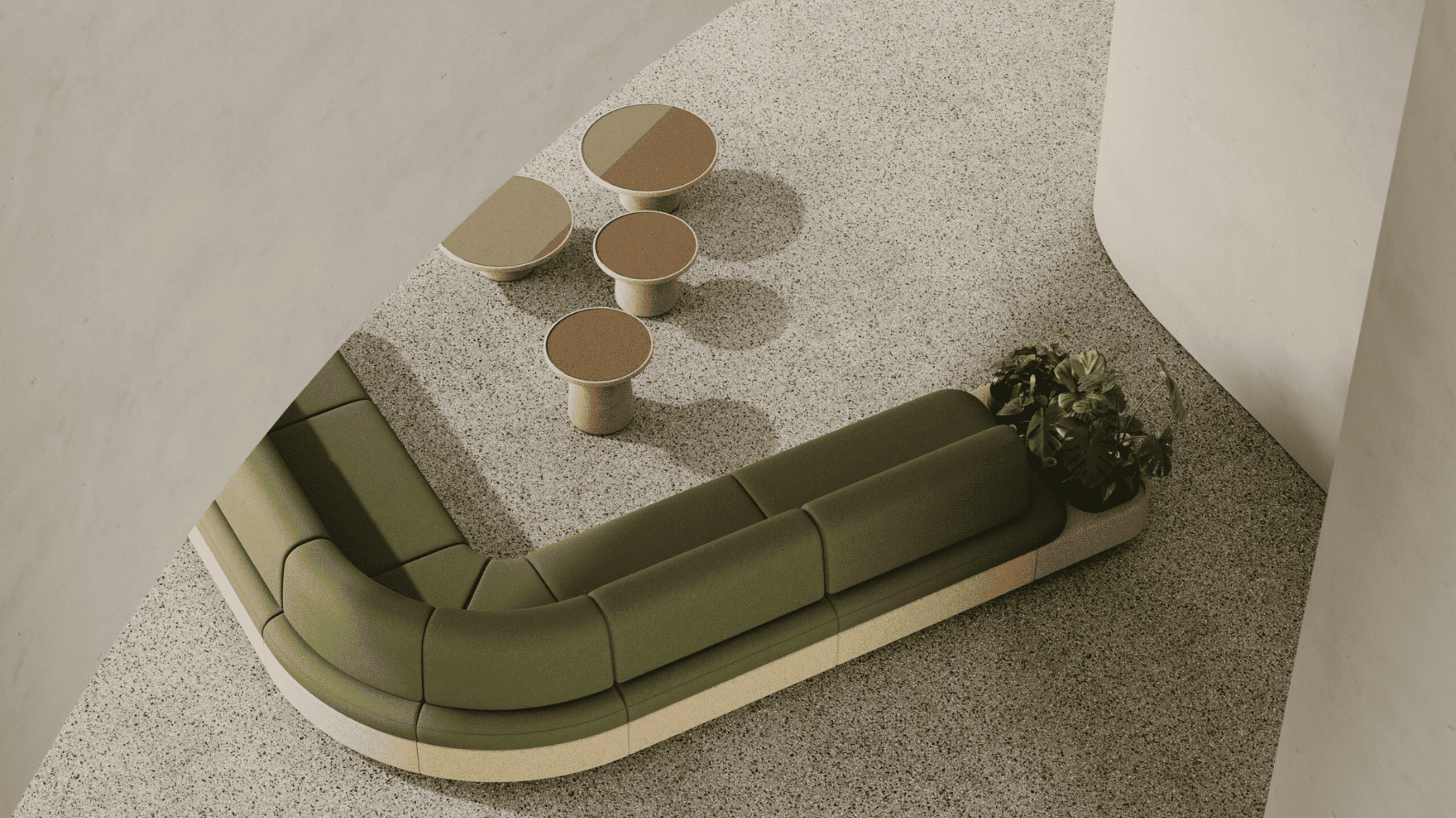
What biophilic design means for furniture — and what it doesn't
Biophilic design is the deliberate use of natural materials, forms, colours, and sensory qualities in built environments. The theory is grounded in evolutionary biology: humans spent most of their history in natural environments, and our nervous systems still respond to those cues. Synthetic, clinical spaces produce measurably higher stress responses than environments with natural qualities. That effect is well-documented and consistent.
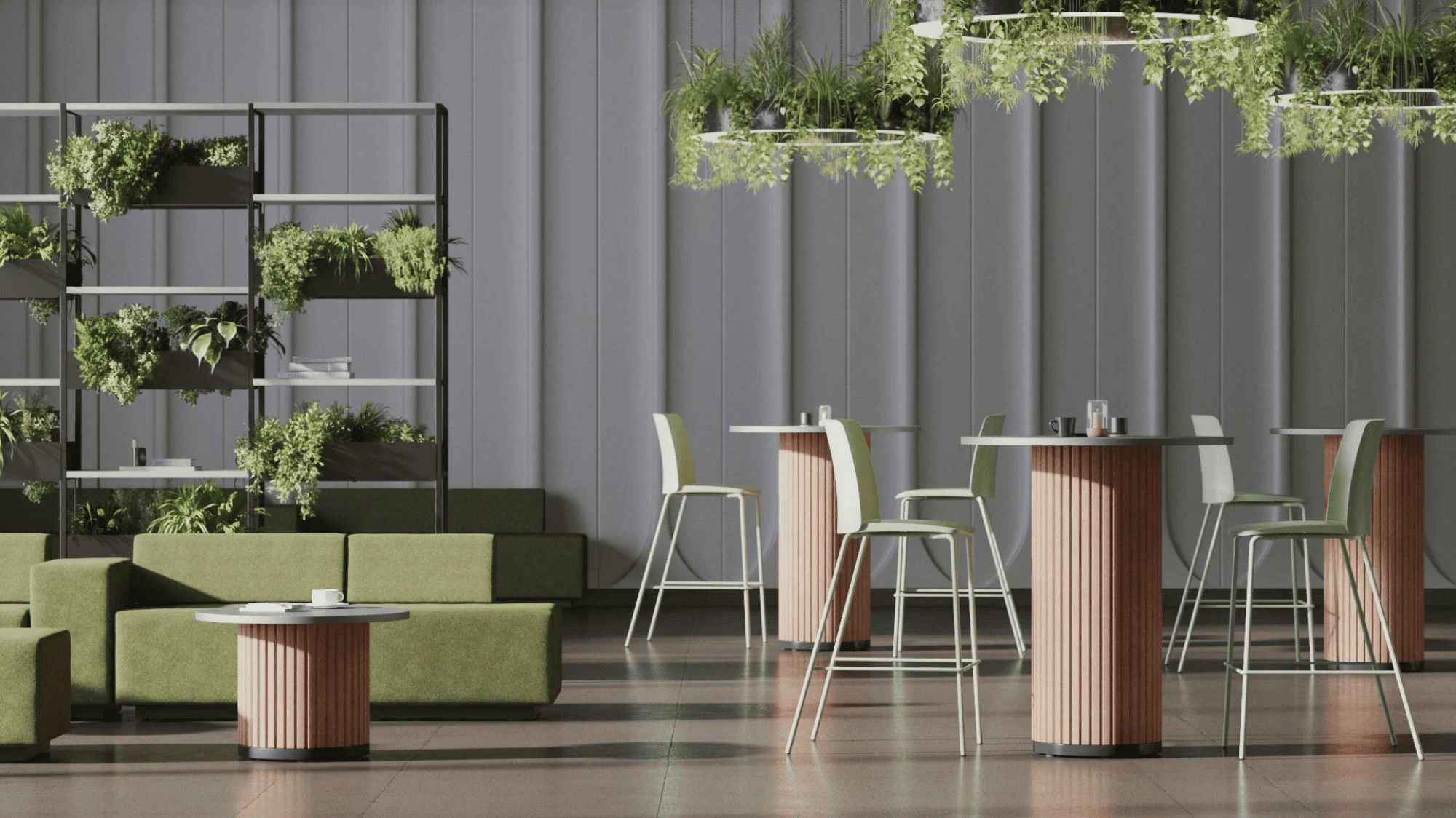
For furniture specifically, this translates into four practical things: natural or natural-effect surface materials (timber, stone-effect, woven textures), organic curved forms rather than hard-edged geometries, earthy and nature-referenced colour palettes, and — where budget allows — integration of living or preserved planting elements.
It does not mean every table needs to be solid oak, or that you have to install a living wall. The biggest gains often come from modest, targeted choices that shift the sensory quality of a space without requiring a full specification overhaul.
What the research actually shows
The evidence base here is genuine, not marketing. Two bodies of research matter most.
Attention Restoration Theory, developed by researchers Rachel and Stephen Kaplan, shows that natural environments allow the directed attention used in focused learning to recover. Students in environments with natural material qualities demonstrate faster attention recovery between tasks than those in fully synthetic environments. In a six-hour school day with back-to-back lessons, that compounding effect is significant.
A 2015 study by the University of Salford (the HEAD Project) tracked 3,766 pupils across 153 classrooms and found that the physical classroom environment accounted for 16% of the variation in learning progress across a year. Natural light was the single biggest factor, but natural materials, colour temperature, and sensory complexity — all directly influenced by furniture choices — contributed measurably.
For students with SEND, anxiety, or sensory processing differences, the effect is more pronounced. Natural textures, timber surfaces, and muted organic palettes reduce the overstimulation that hard synthetic materials and high-contrast colour schemes generate. Biophilic furniture is increasingly specified as part of SEND and inclusion environments precisely because the calming effect is tangible and consistent.
Which school spaces benefit most
Not every space has the same return on biophilic specification. Here's where the impact is highest:
- Libraries and reading rooms. This is the highest-impact application. A library that uses timber shelving, curved soft seating in textured natural-palette fabric, and warm lighting creates a space students actually want to use. That's the precondition for any reading or independent study benefit to happen. If your library feels institutional, students will avoid it.
- SEND and inclusion bases. Natural timber surfaces, soft wool-effect upholstery, and muted organic palettes reduce sensory load. These spaces often have the smallest budgets and the highest sensitivity to environment — biophilic choices here return significant wellbeing value per pound spent.
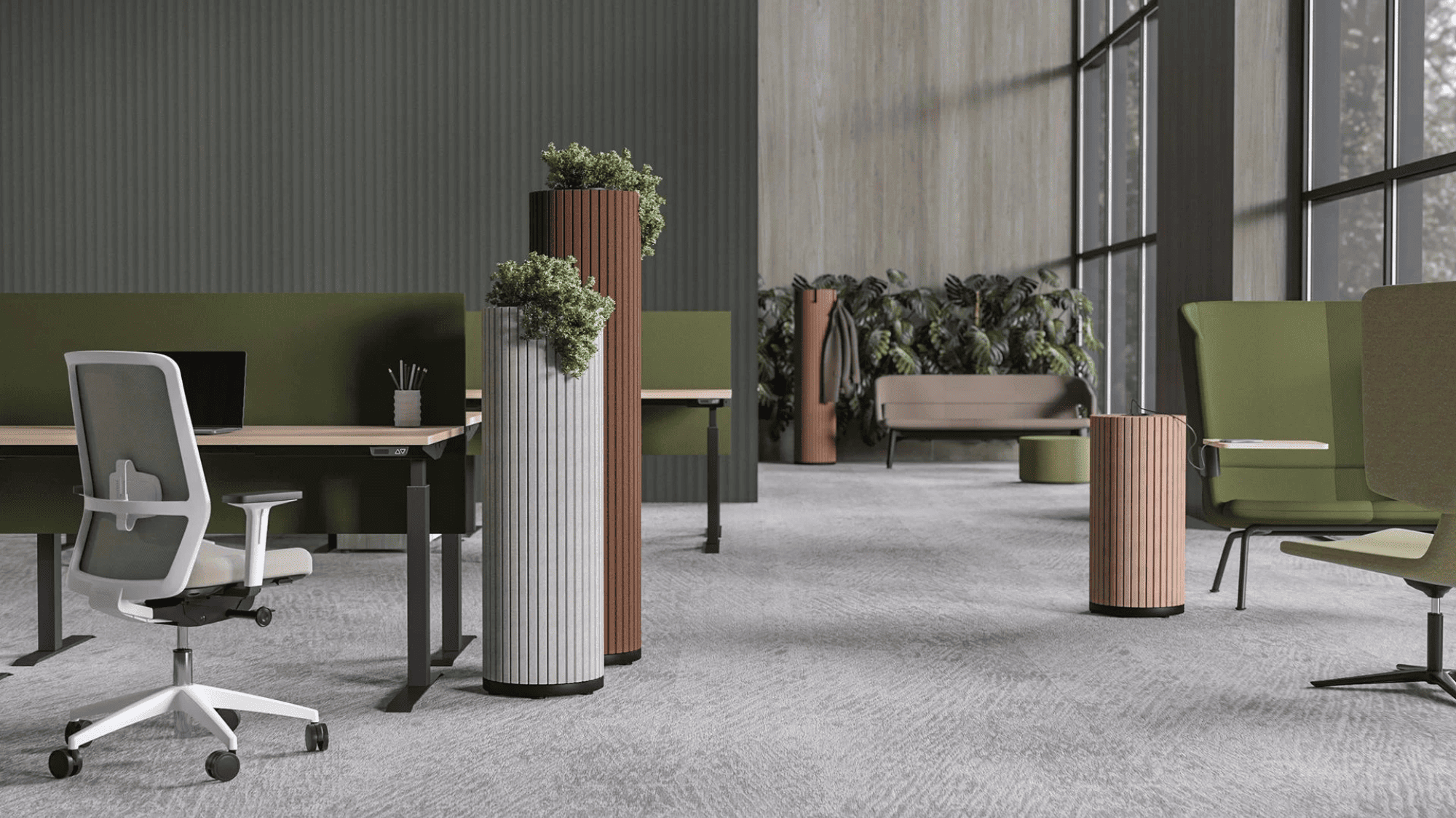
- Breakout and social areas. Seating clusters with planter-integrated table units, and natural-finish acoustic screens all work well in social zones. These tend to be less prescriptive spaces where design flexibility exists.
- Early years and primary classrooms. Young children interact physically with their environment more than older students. Timber surfaces, natural-feel fabrics, and organic forms in furniture support sensory development alongside academic learning.
- Dining and social spaces. The connection between environment quality and how students experience mealtimes and downtime is underrated. Natural timber dining tables and earthy-tone seating shift the atmosphere from canteen to something that feels more considered.
What biophilic furniture actually looks like in practice
These are the choices schools make most often when introducing biophilic elements:
- Desk and table surfaces in oak, beech, or birch veneer — or high-quality wood-effect laminate with real timber edging, which gives authentic material contact at lower cost than full veneer.
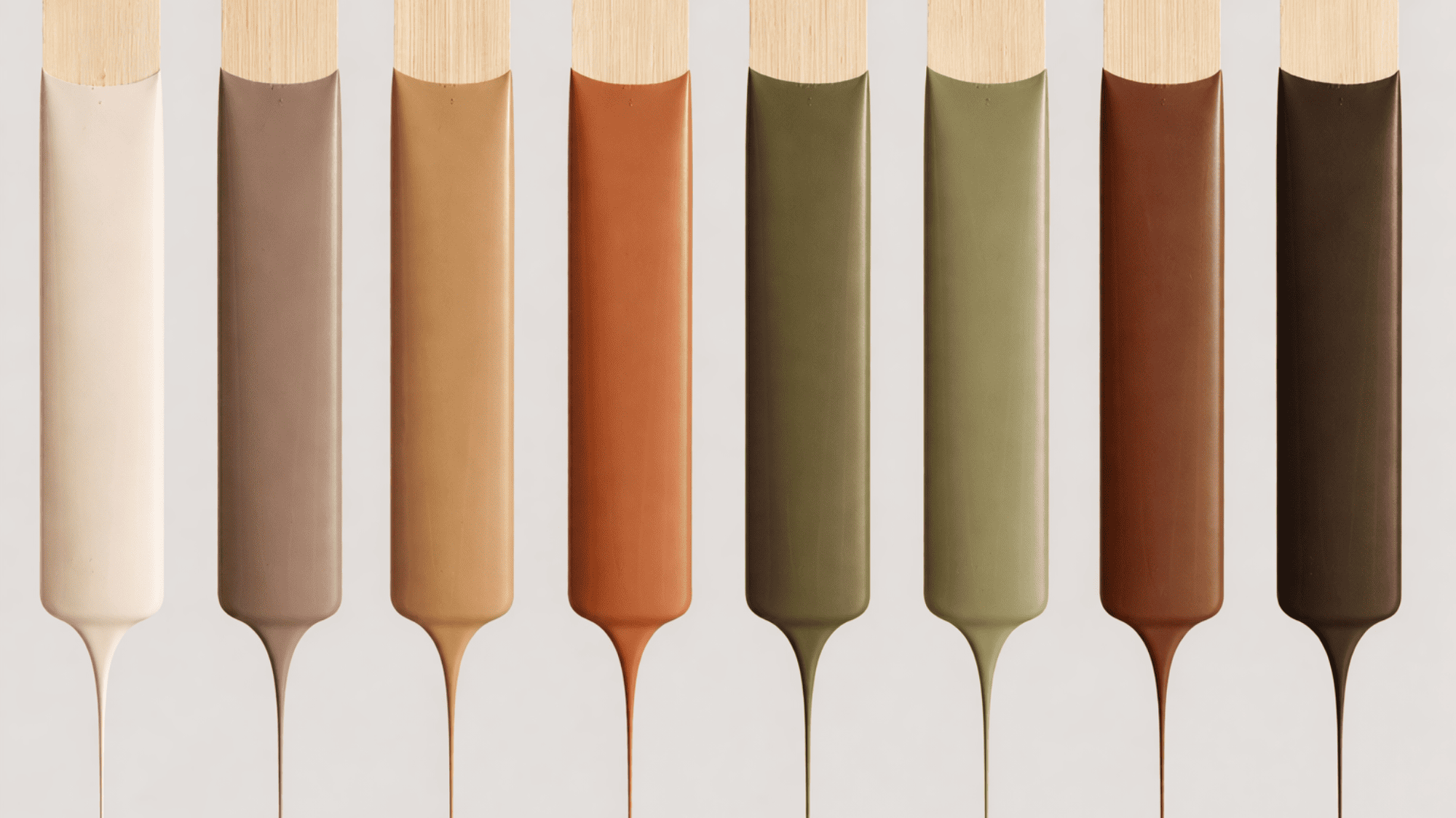
- Chair shells in sage green, warm terracotta, ochre, warm sand, or forest teal rather than the primary-colour palettes that dominated school furniture for decades.
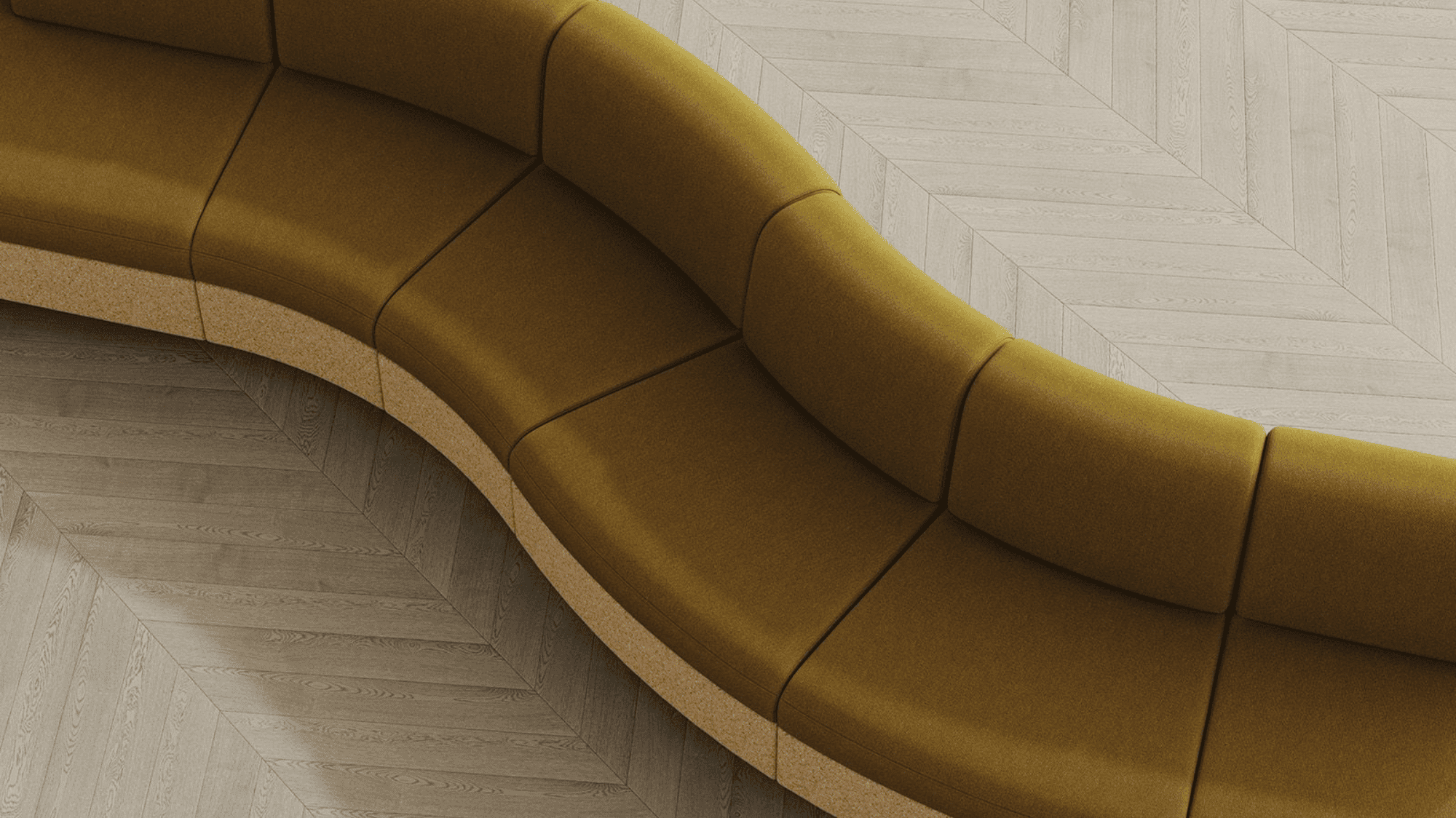
- Upholstery in wool-effect textiles, textured weaves, or linen-look contract fabrics — all available at standard contract specification grades with Martindale rub counts of 40,000 or above and appropriate fire retardancy ratings (Crib 5 for most school soft seating applications).
- Table and seating units with integrated planters — preserved botanicals are usually the more practical choice for schools because they need no watering, no maintenance, and perform consistently regardless of the light levels in the room.
How to introduce biophilic furniture without a full refurb
You don't need to replace everything at once. The most practical approach is incremental: make biophilic choices at the natural replacement points in your furniture lifecycle.
If a batch of classroom chairs is coming to end of life, replace them with equivalents in natural palette colours rather than the same primary tones. The per-unit cost difference is typically zero — colour selection doesn't affect price at contract specification grade. If a library refurb is on the capital plan, specify timber-finish shelving and curved soft seating rather than the standard flat-laminate equivalent.
One caveat: natural timber surfaces do need appropriate finishing. Solid timber and veneer tops need to be sealed to a standard that withstands the cleaning products used in school environments. Check that any timber-surface product your supplier specifies is finished for education use — not all timber furniture sold to schools is.
The bottom line
Biophilic furniture isn't an aesthetic preference. It's a specification decision with documented effects on student attention, wellbeing, and — for students with the highest environmental sensitivity — inclusion. The investment required to make meaningful biophilic choices is lower than most schools expect, and it doesn't require a whole-school transformation to have a real effect.
If you're specifying a library, SEND space, or social area and want advice on where biophilic furniture choices will have the most impact for your budget, get in touch today with the Agilita team. Tell us the space, the age group, and your rough budget envelope, and we'll give you a specific recommendation — no obligation, no sales process until you want one.