

Choosing conference chairs looks straightforward until you've done it once and got it wrong. The chairs that looked good in a brochure felt uncomfortable after 90 minutes. The fabric pilled within six months. The stack height didn't fit the storage cupboard. By the end of this guide, you'll know the five specification decisions that actually determine whether conference seating works — and the numbers you need to hold any supplier to account.
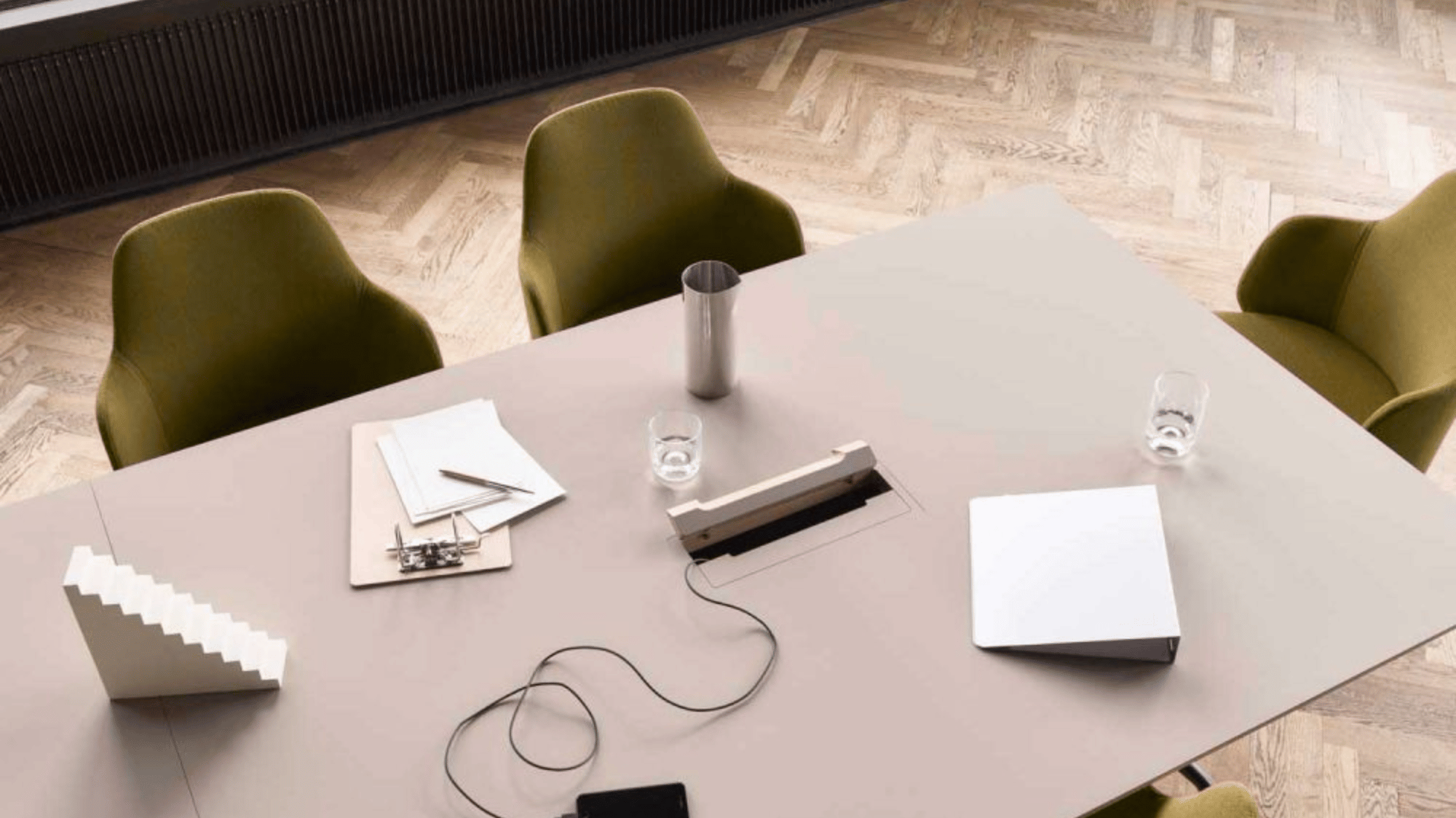
How long will people sit in them?
This is the first question, and most buyers don't ask it. The answer changes everything about what you should specify.
For sessions under an hour — quick team meetings, interview waiting areas, short briefings — a simple polypropylene shell chair is perfectly adequate. It's light, easy to stack, wipeable, and costs significantly less than an upholstered option. For sessions of one to three hours — training days, board meetings, half-day conferences — you need a seat with proper foam density (minimum 35kg/m³ for contract use), lumbar support that follows the natural curve of the lower back, and a waterfall seat edge. That curved front edge reduces pressure on the backs of the legs and makes a measurable difference after the 45-minute mark.
For full-day events, an ergonomic conference chair with adjustable lumbar and seat depth is worth the additional cost per unit. The productivity loss from a room full of uncomfortable people is harder to quantify than the chair budget, but it's real.
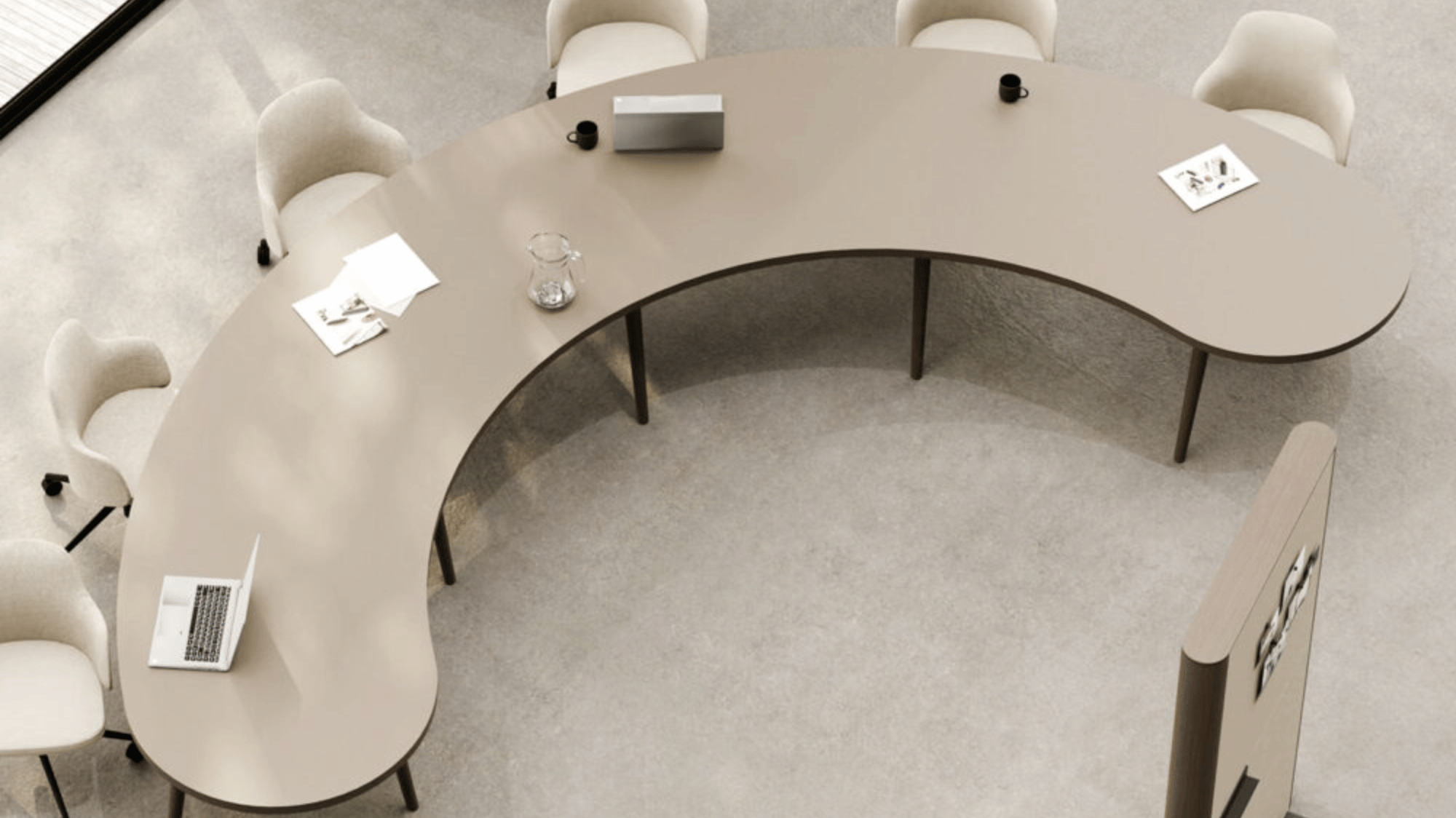
Stacking: do the numbers before you order
If the room gets reconfigured — and most conference and training rooms do — stacking matters. But the question isn't just 'does it stack?' It's: how many high, and does that fit your storage?
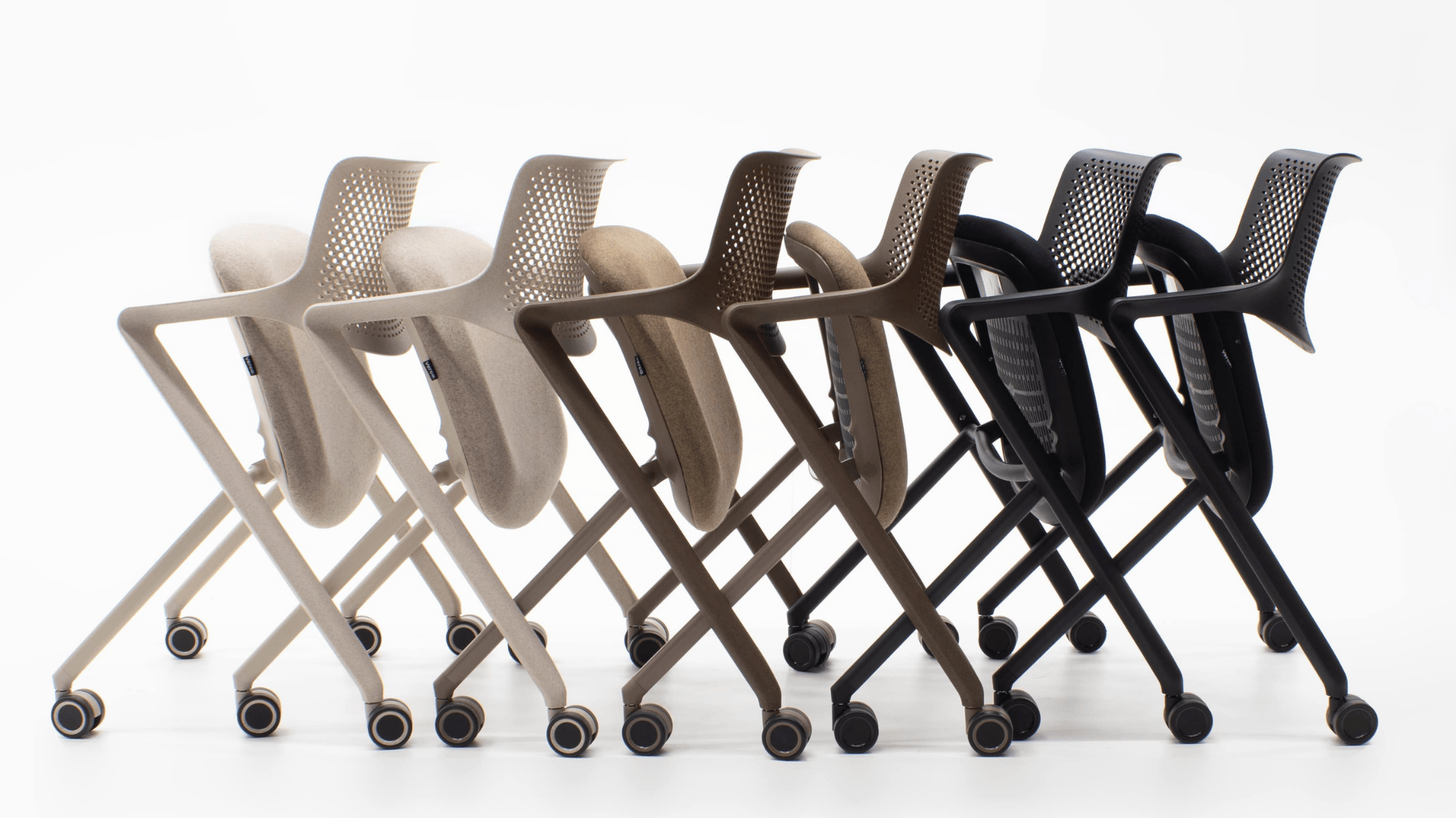
Most quality stacking conference chairs stack 6 to 10 units high. A chair that stacks 6 high at 460mm per unit gives you a 2.76m stack. Check your storage ceiling height before specifying. Purpose-built trolleys typically hold 20 to 30 chairs and reduce handling injuries — they're worth factoring into the budget if you're ordering more than 40 chairs.
One thing that rarely appears in product listings: the stack footprint. A chair that stacks 8 high but splays out to 700mm wide will take significantly more floor space than one that stacks cleanly in its own shadow. Ask your supplier for the stacked dimensions, not just the seat dimensions.
Frame load ratings and what they actually mean
Every conference chair sold into a commercial environment should have a published weight load rating and a tested cycle count. In the UK, the relevant standard is BS EN 16139:2013, which covers strength, durability, and safety for non-domestic seating.
A chair rated to 110kg that has been tested to 100,000 sit-stand cycles is a fundamentally different product to one with no published rating — even if they look identical in a catalogue photo. For high-turnover environments like training centres, conference venues, or education spaces, a tested cycle count matters more than almost any other spec. Chairs that fail in year two cost more than chairs that cost 20% more upfront and last eight years.
Steel frames are heavier but generally more robust at the weld points. Aluminium is lighter — useful if chairs are moved frequently — and won't corrode. Polypropylene shells work well for lighter-use applications but check the glass-fibre content; reinforced polypropylene is significantly stronger than standard.
Fabric and upholstery: the standards that matter
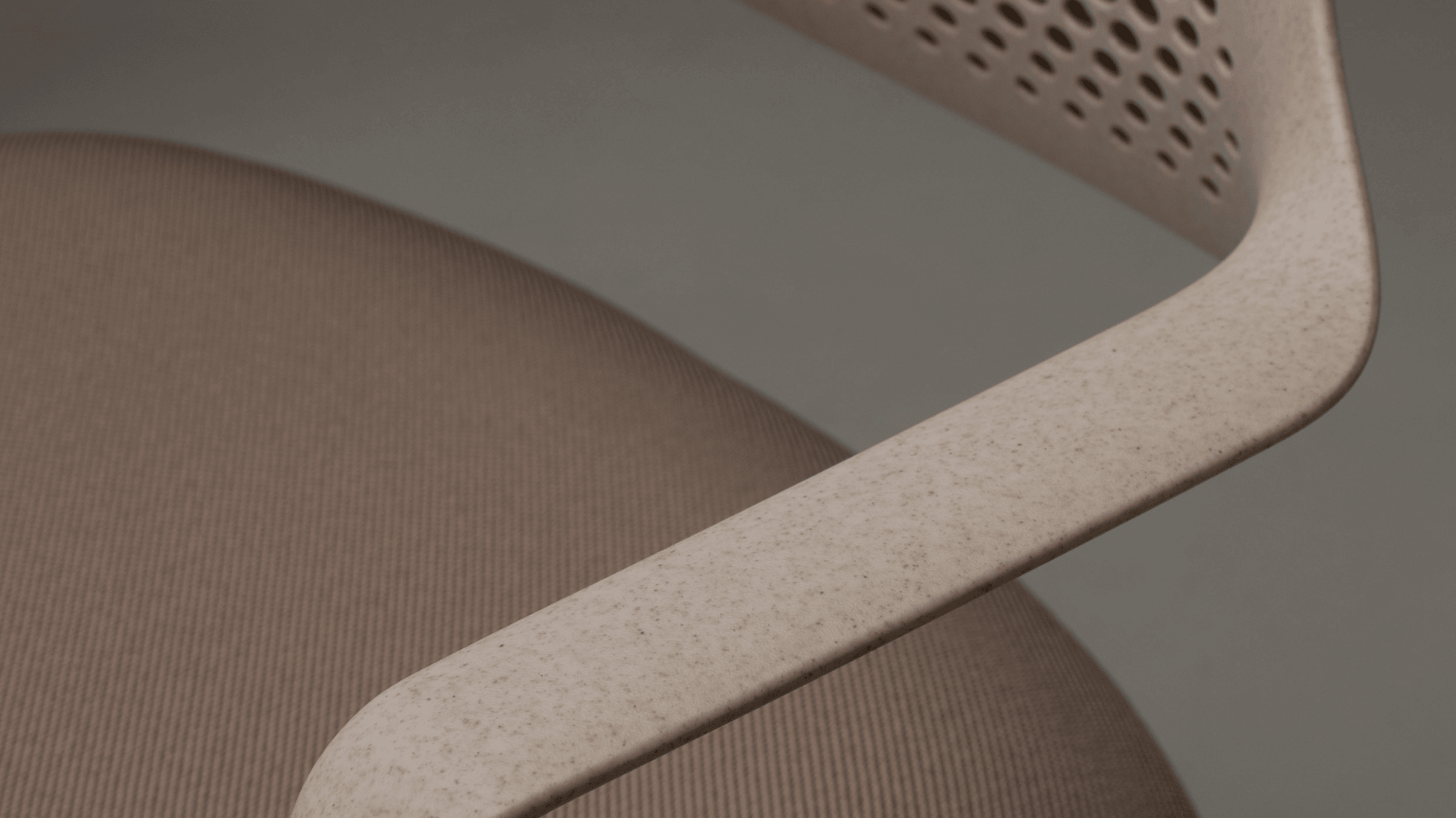
Contract upholstery is not the same as domestic upholstery. The minimum you should accept for any conference chair in regular commercial use is a Martindale rub count of 40,000. That's the point at which a fabric is considered suitable for heavy contract use. Below that, you're likely to see pilling and surface wear within 18 months in a busy environment.
UK fire regulations for contract seating require upholstery to meet BS 5852, and foam to meet CMHR (Combustion Modified High Resilience) standards. Any reputable supplier will confirm this as standard — if they can't, don't buy.
On the material choice itself:
- Mesh backs offer genuine breathability and are worth specifying for warm rooms or long sessions. They don't absorb spills, which matters in catered conference settings.
- Woven fabric gives the widest colour range and is generally the most comfortable against skin. Specify a stain-resistant finish if the chairs will be used in catering or education environments.
- Faux leather is easy to wipe down and reads as more formal. It can feel uncomfortably warm in rooms without good air conditioning.
- Avoid real leather for high-turnover conference use. It costs more, needs more maintenance, and scratches visibly with regular movement.
Linking and row management
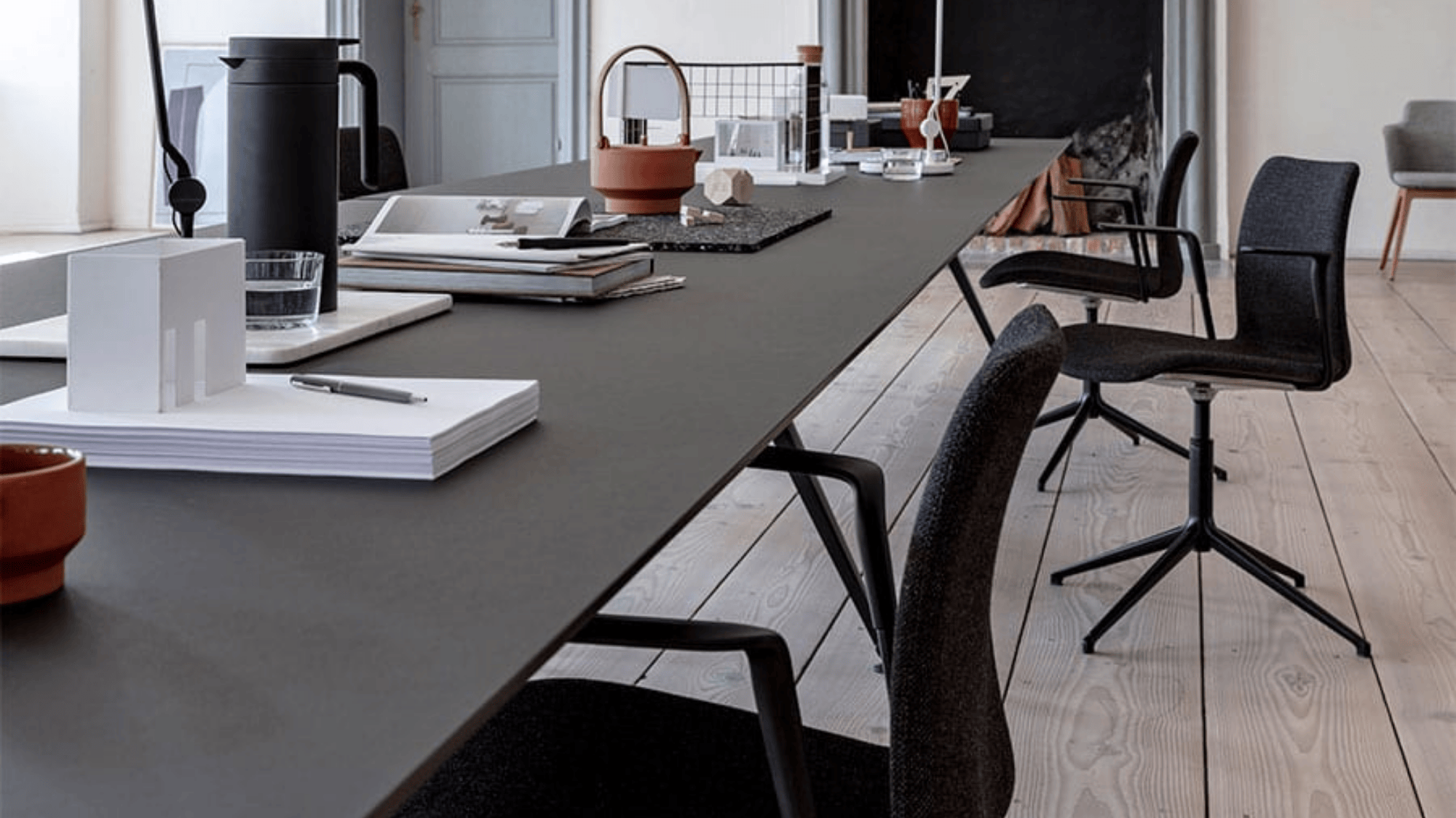
For theatre-style and seminar layouts, linking is not optional — it's a professional necessity. Chairs without linking drift apart as an audience settles in, leaving crooked rows and gaps that look careless and create trip hazards during breaks.
Most linking systems use a small hook or ganging bar that clips onto the frame of the adjacent chair. The better systems allow you to link and unlink with one hand. Check that the linking hardware doesn't add to the stacked height — some designs do, and it can reduce how many you can safely store.
Flip-up or folding seats are worth specifying if rows will be long (more than 8 chairs) or if the room has restricted side access. They allow people to pass along a row without others standing — a small thing that matters a great deal in a full room.
Getting the specification right before you buy
Before comparing products, answer these questions:
- What's the maximum session length the chairs will be used for?
- How often will the room be reconfigured, and what's the storage ceiling height?
- What's the expected daily throughput — how many people, how many uses per day?
- Is there a fire safety specification already in place for the building?
- What's the weight capacity requirement? (Specify to at least 120kg as a baseline for public-facing spaces.)
Getting these answers before you start looking at products saves time, reduces the risk of an expensive mismatch, and means any supplier you talk to can give you a meaningful recommendation rather than a generic range.
A note on budgeting
Conference chairs for commercial use typically run from around £60 per unit for a basic polypropylene stacking chair to £250–£400 for a fully upholstered ergonomic model with linking. The right answer for most organisations is somewhere in the middle: a well-specified fabric stacking chair in the £100–£180 range that meets the durability standards, stacks efficiently, and looks consistent across the space.
If you're specifying conference seating and want a straightforward assessment of what's right for your rooms and your budget, get in touch with the Agilita team. Tell us the room size, expected session length, and your per-unit budget, and we'll give you a specific recommendation with no obligation.