

At Agilita, we've helped organisations of all shapes and sizes furnish their meeting and conference spaces — from single-room SMEs to multi-site corporate campuses. And if there's one thing we've learned, it's that conference chairs matter far more than most people realise. They're the unsung workhorses of the professional world — sat in for hours on end, folded and stacked hundreds of times, and expected to look smart doing all of it. Getting the fundamentals right means understanding what sets a great conference chair apart from a merely adequate one.
Comfort Over the Long Haul
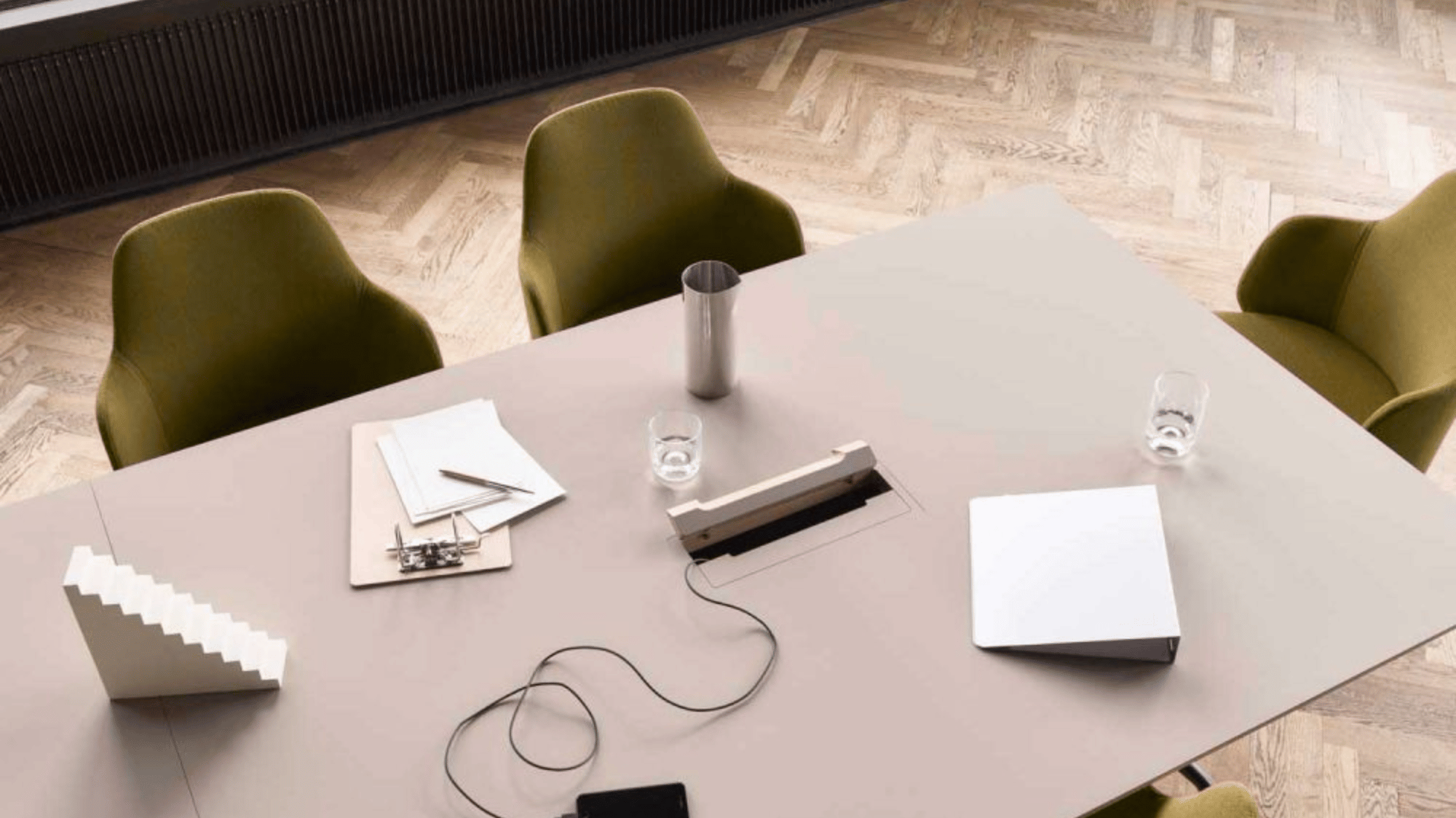
A conference chair that feels fine for twenty minutes can become genuinely painful over a two-hour presentation or a full-day training session. This is where ergonomics come in. Look for chairs with lumbar support that follows the natural curve of the lower back, a seat depth that accommodates a range of body types, and sufficient cushioning without being so soft that posture suffers. Waterfall seat edges — where the front of the seat curves gently downward — reduce pressure on the backs of the legs and make a noticeable difference over time.
Not every conference room needs a fully adjustable ergonomic chair. Shorter meetings, breakout spaces, and event seating can work well with simpler designs, but the longer people are expected to sit, the more attention you should pay to comfort.
Stackability and Storage
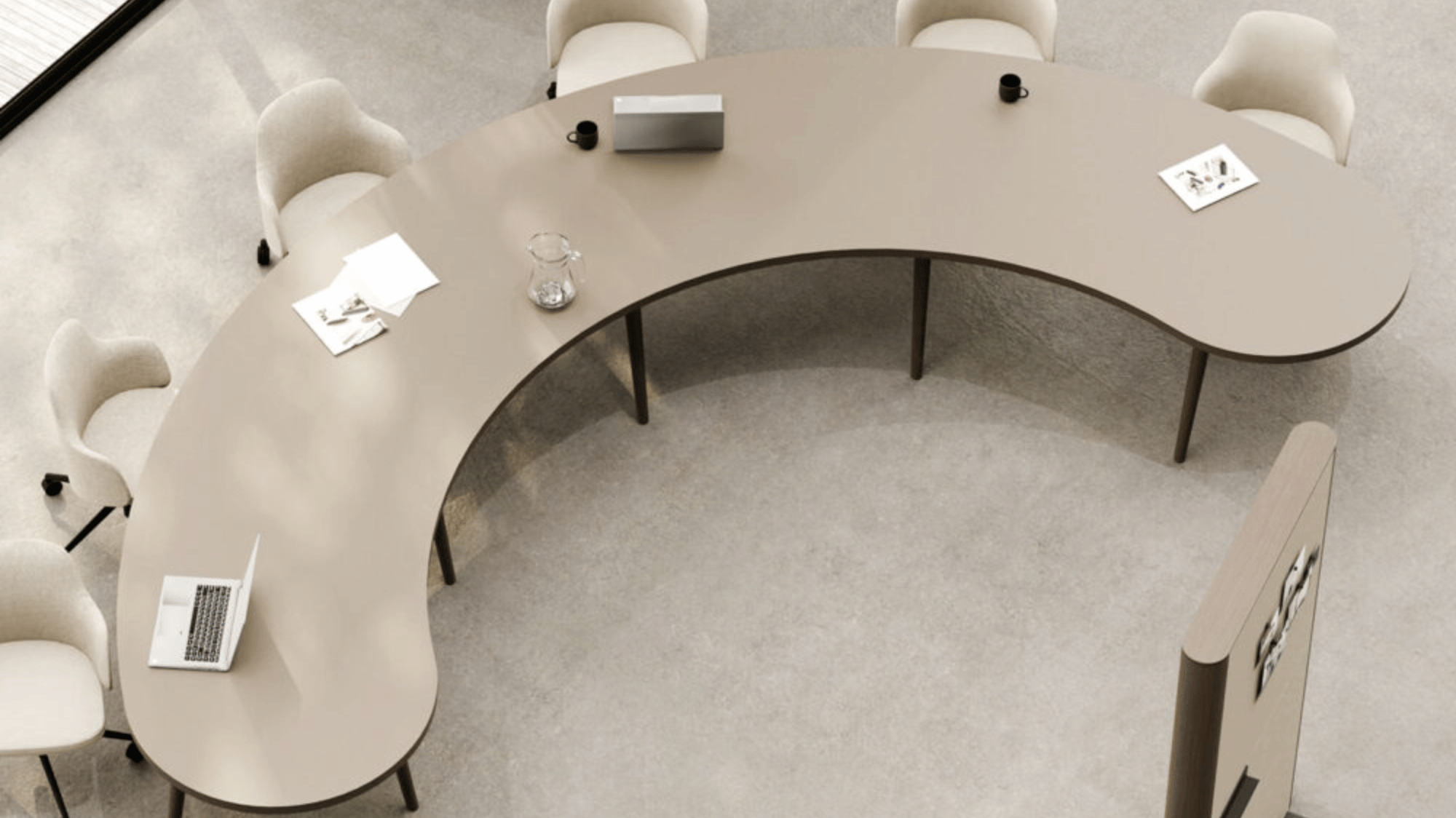
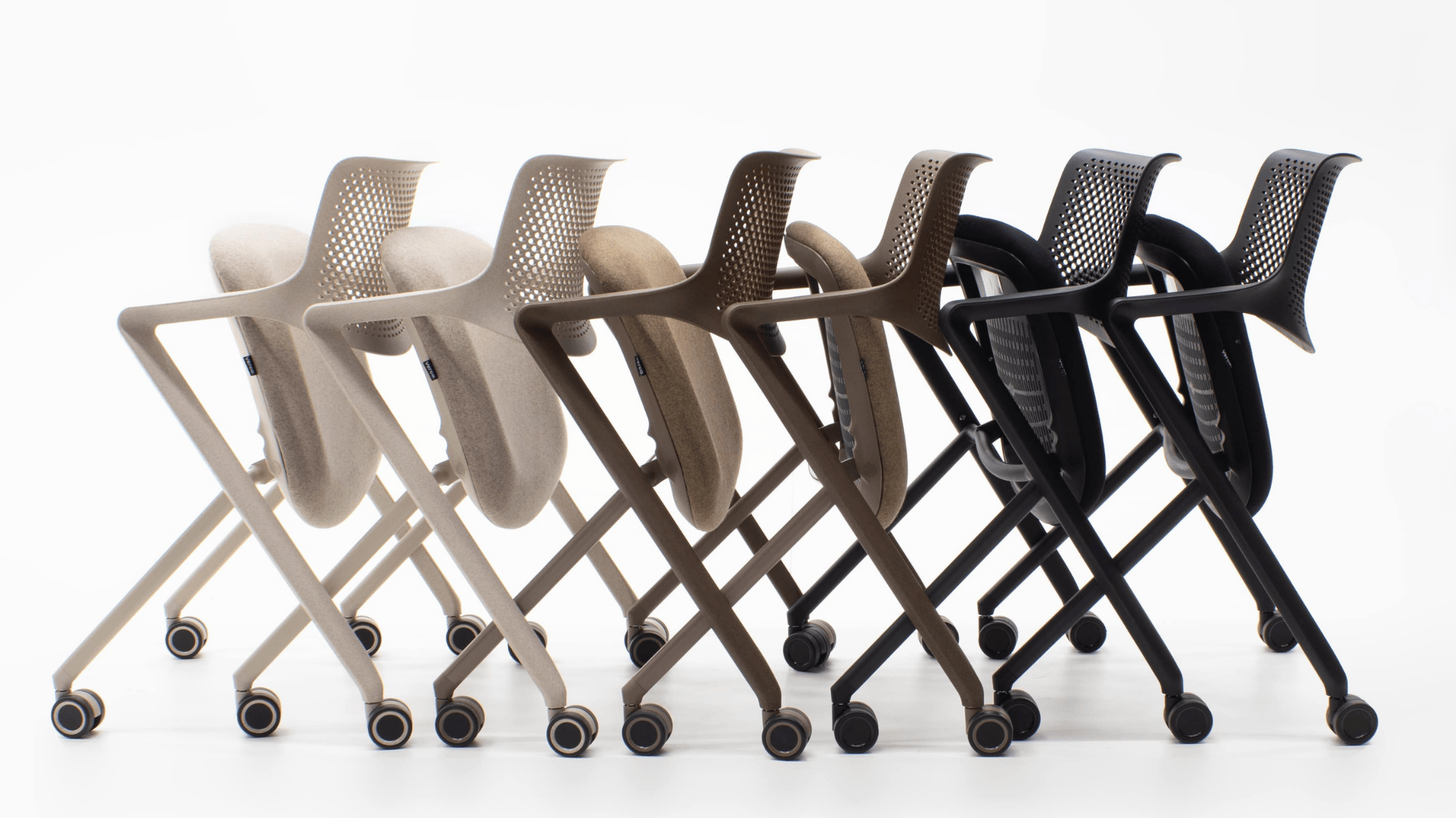
One of the defining practical requirements of conference seating is flexibility. Chairs that stack neatly allow a room to be cleared quickly for different configurations — theatre style one day, cabaret the next. Most quality stacking chairs can be grouped in sets of six to ten, and purpose-built trolleys make moving and storing them far more efficient.
If your space has a fixed layout — a permanent boardroom table, for instance — stackability becomes less important, and you can prioritise weight, aesthetics, and comfort instead. But for multipurpose venues and training rooms, a chair that doesn't stack well is a genuine operational headache. It's something we always discuss with clients early in the process at Agilita, because it shapes the entire product selection.
Frame Materials and Durability
Conference chairs are typically built around frames of steel, aluminium, or polypropylene. Steel frames are robust and cost-effective but add weight. Aluminium is lighter and resistant to corrosion, making it a good choice for chairs that will be moved frequently. Polypropylene shells — common in visitor and stacking chairs — are lightweight, easy to clean, and available in a wide range of colours, though they tend to feel less premium than upholstered options.
For high-use environments, pay close attention to the quality of the frame joints and the load rating. A chair rated to 120–150kg with a tested cycle count for stacking is a much safer long-term investment than one where those figures aren't published at all.
Upholstery and Finish
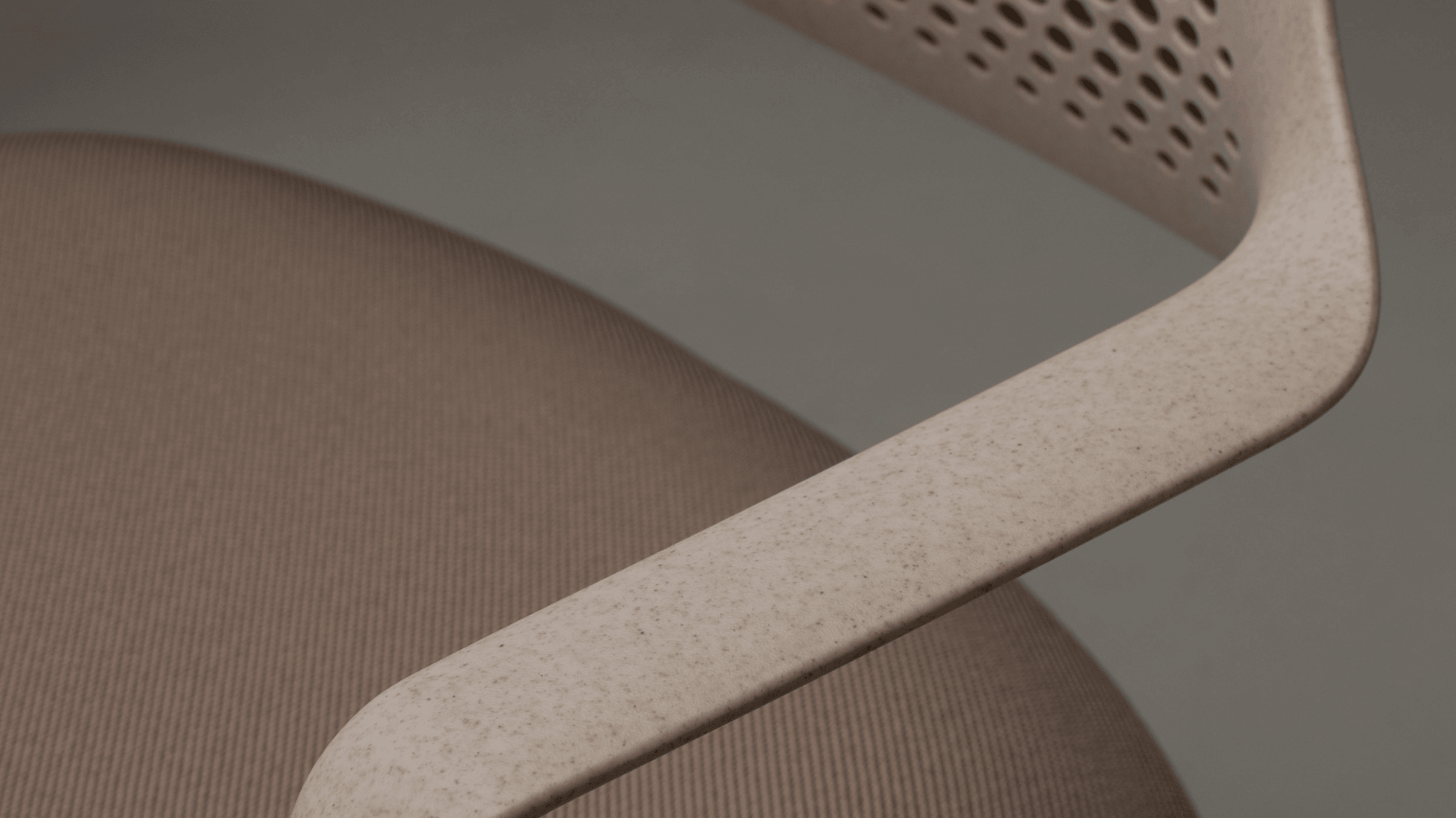
The fabric or surface material on a conference chair does two things: it affects how the chair feels, and it determines how long it will look good. For commercial settings, contract-grade fabrics are essential — these are woven to withstand heavy use, resist pilling and fading, and often carry fire retardancy ratings required by UK building regulations.
Mesh backs have become increasingly popular because they offer breathability, which matters in warm rooms and during long sessions. Leather and faux leather are easy to wipe down and look authoritative in boardroom settings, though they can feel sticky in warmer weather. Fabric upholstery offers the widest range of colours and textures and tends to be the most comfortable option, but it requires more attention to cleaning and stain resistance.
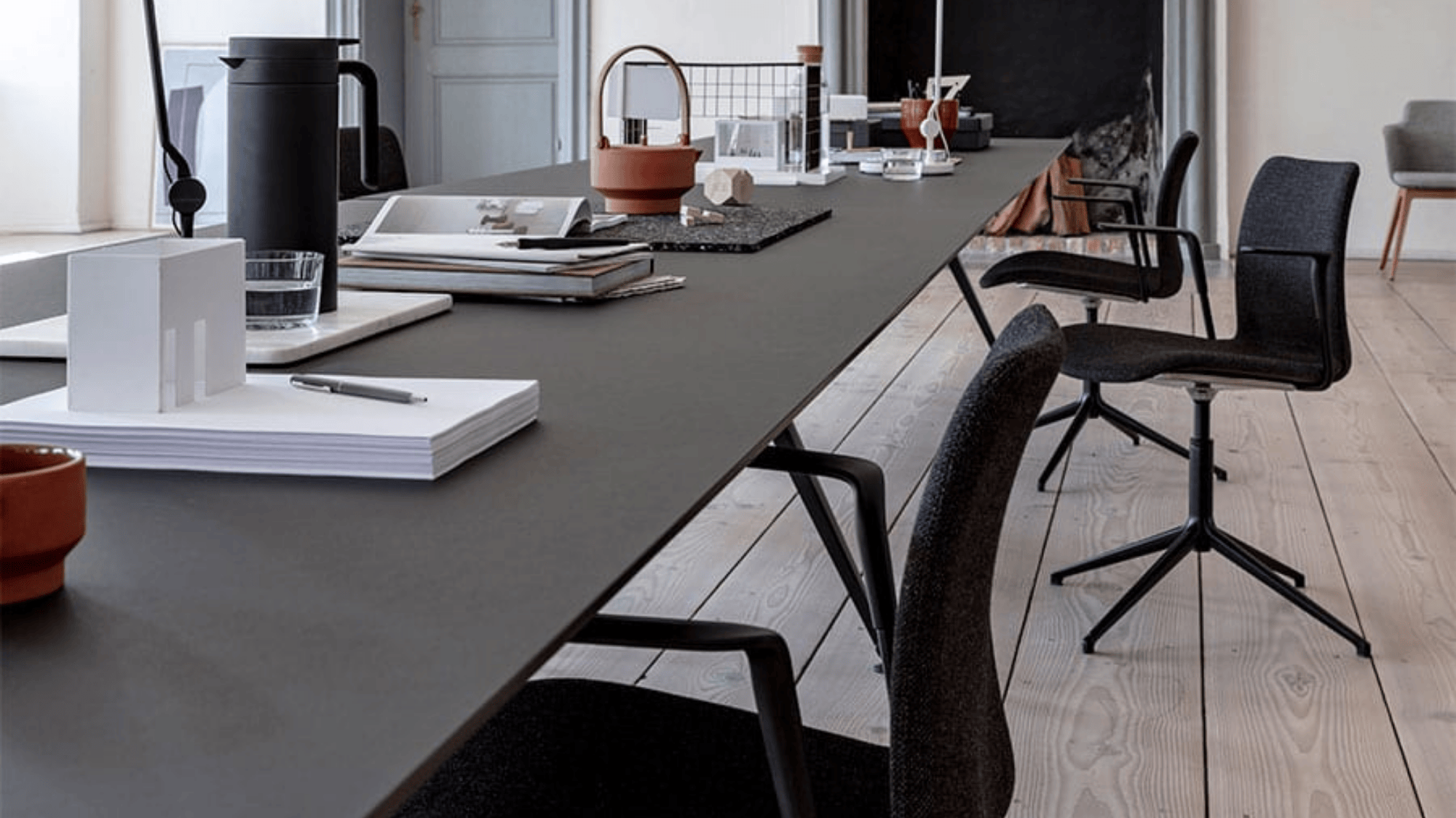
Linking and Configuration
Many conference and seminar chairs come with linking options — small hooks or clips that allow rows of chairs to be joined together for theatre-style seating. This keeps rows straight and prevents chairs from spreading apart as people shift and move. It's a small detail that makes a big difference to how professional an event looks and how easy it is to manage a large audience.
Some chairs also feature folding or flip-up seats, which make it easier for people to move along a row without disturbing others — a feature borrowed from cinema and auditorium seating that works just as well in training rooms and conference halls.
Aesthetics and Brand Fit
Conference chairs are visible. They shape the atmosphere of a room, signal something about an organisation's values, and are among the first things a visitor or delegate notices. A sleek, modern chair in a considered colour palette conveys a very different message from mismatched, tired seating that has seen better days.
This doesn't mean spending extravagantly. It means being intentional — choosing a chair whose proportions, finish, and colour sit well with the rest of the space, and making sure that choice is applied consistently across the room.
Getting the Specification Right
Before purchasing, it's worth mapping out exactly how the chairs will be used. How long will people typically be seated? How often will the room be reconfigured? What's the weight capacity requirement? Will they be used exclusively indoors, or in areas with natural light that might fade upholstery? Is there a fire safety specification that needs to be met?
Answering these questions before you start comparing products will save time, reduce the risk of a costly mistake, and lead you to a chair that genuinely serves your space — rather than one that simply looked good in a catalogue. If you're not sure where to start, the Agilita team is always happy to talk through your requirements and help you find the right solution.
The right conference chair is one that disappears into the background, letting the meeting take centre stage. That's the highest compliment you can pay to a piece of commercial furniture — and it's exactly what we aim for with every project we work on.
Ready to find the perfect conference seating for your space? Get in touch with Agilita today.